

The heart and soul of African cuisine lies in its rich, flavorful soups and stews. These comforting dishes bring families together around the table and tell stories of cultural heritage passed down through generations. The secret to creating truly authentic African soups and stews isn’t complicated techniques – it’s having the right ingredients. At Abart Foods, we understand the importance of these authentic flavors, which is why we provide all the essential African food ingredients you need, available at our Maryland store or delivered to your doorstep nationwide.
Bring Authentic African Flavors to Your Kitchen
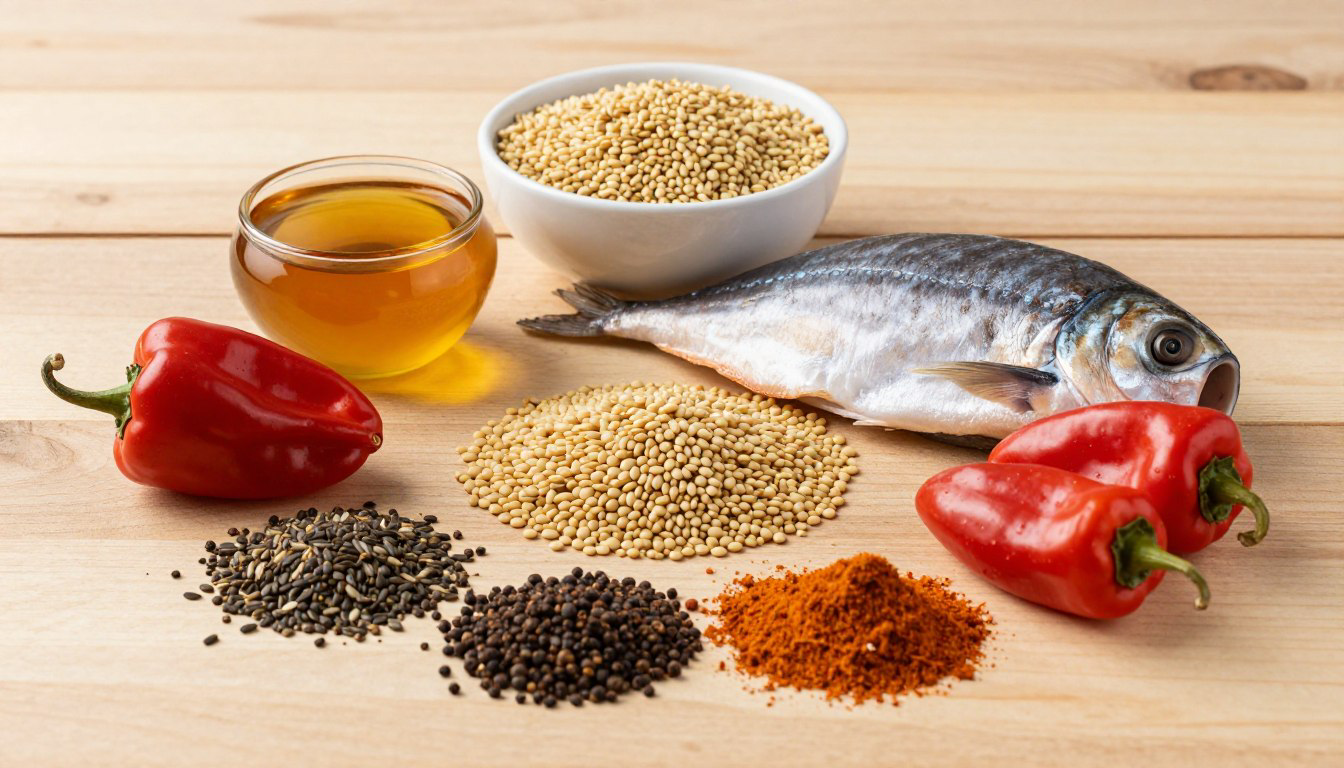
Can’t find traditional African ingredients at your local grocery store? We’ve got you covered with nationwide shipping and a well-stocked store in Maryland.
Essential Thickeners and Bases for African Soups and Stews
The distinctive texture of many African soups comes from traditional thickeners that add both body and flavor. These ingredients form the foundation of beloved dishes and carry significant nutritional benefits as well.
Egusi (Melon Seeds)
Ground egusi seeds create the creamy, nutty base of the popular Egusi Soup. Rich in protein and healthy fats, these seeds thicken the soup while adding a distinct flavor that pairs perfectly with leafy greens and meat.
Common Uses: Egusi Soup, Vegetable Stews
Ogbono Seeds
Also known as wild mango seeds, ogbono creates the distinctive “draw” or slimy texture in soups. When ground and added to hot liquid, it thickens quickly and adds a subtle, earthy flavor that enhances other ingredients.
Common Uses: Ogbono Soup, Draw Soup
Groundnuts/Peanuts
The base for the beloved West African peanut stew, groundnuts provide richness, protein, and a creamy texture. When ground into a paste, they create a velvety consistency and nutty flavor that complements both meat and vegetables.
Common Uses: Groundnut Stew, Peanut Soup
Essential Oils and Fats for Authentic Flavor
The choice of cooking oil dramatically impacts the flavor profile of African soups and stews. Traditional oils don’t just prevent sticking, they’re fundamental flavor components that give dishes their authentic character.
Palm Oil
This distinctive red oil is the foundation of many West African soups and stews. Its rich, earthy flavor and vibrant color are essential for dishes like Egusi, Ogbono, and Banga soup. Nothing else quite captures the authentic taste of these traditional recipes.
Common Uses: Egusi Soup, Ogbono Soup, Banga Soup, Afang Soup
Vegetable Oil
A lighter alternative used in many African kitchens, vegetable oil is perfect for sautéing aromatics or frying meat before adding to stews. It’s commonly used in tomato-based stews and when a more neutral flavor is desired.
Common Uses: Tomato Stews, Jollof Rice, Frying meats
Spices and Seasonings for Depth of Flavor
The complex flavor profiles of African soups and stews come from carefully selected spices and seasonings. These ingredients add layers of heat, aroma, and richness that make each dish distinctive.
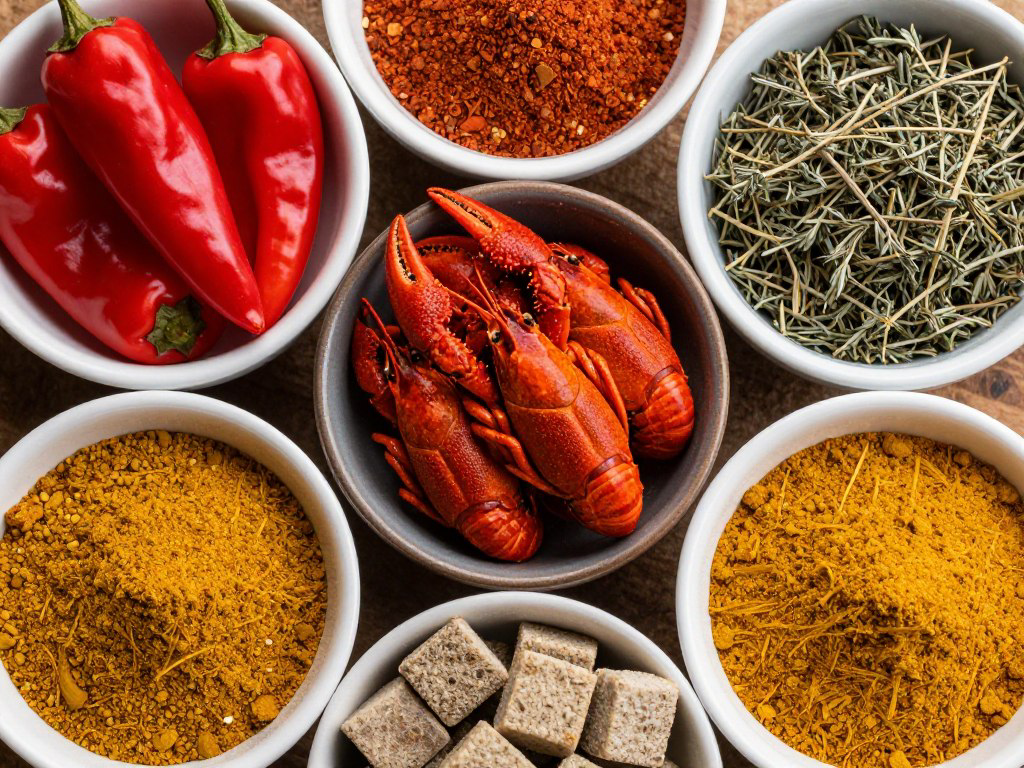
Scotch Bonnet Peppers
These small, intensely hot peppers bring both heat and a distinctive fruity flavor to African soups and stews. Used whole or chopped, they infuse dishes with a spicy kick that’s characteristic of West African cuisine.
Common Uses: Pepper Soup, Fish Stew, Groundnut Stew
Ground Crayfish
This powdered dried seafood adds a deep umami flavor to soups and stews. It’s a secret ingredient that enhances other flavors while adding its own subtle seafood note, creating depth in dishes like Egusi and Ogbono soup.
Common Uses: Egusi Soup, Ogbono Soup, Afang Soup
Stock Cubes & Curry Powder
No African kitchen is complete without stock cubes (like Maggi or Knorr) and curry powder. These seasonings provide a convenient flavor base that enhances meats and vegetables in stews. The curry powder adds warmth and complexity.
Common Uses: Nearly all soups and stews, especially Chicken Stew and Fish Stew
Protein Elements for Hearty African Soups and Stews
Protein components add substance and rich flavor to African soups and stews. From meats to dried fish, these ingredients create satisfying dishes that serve as complete meals.
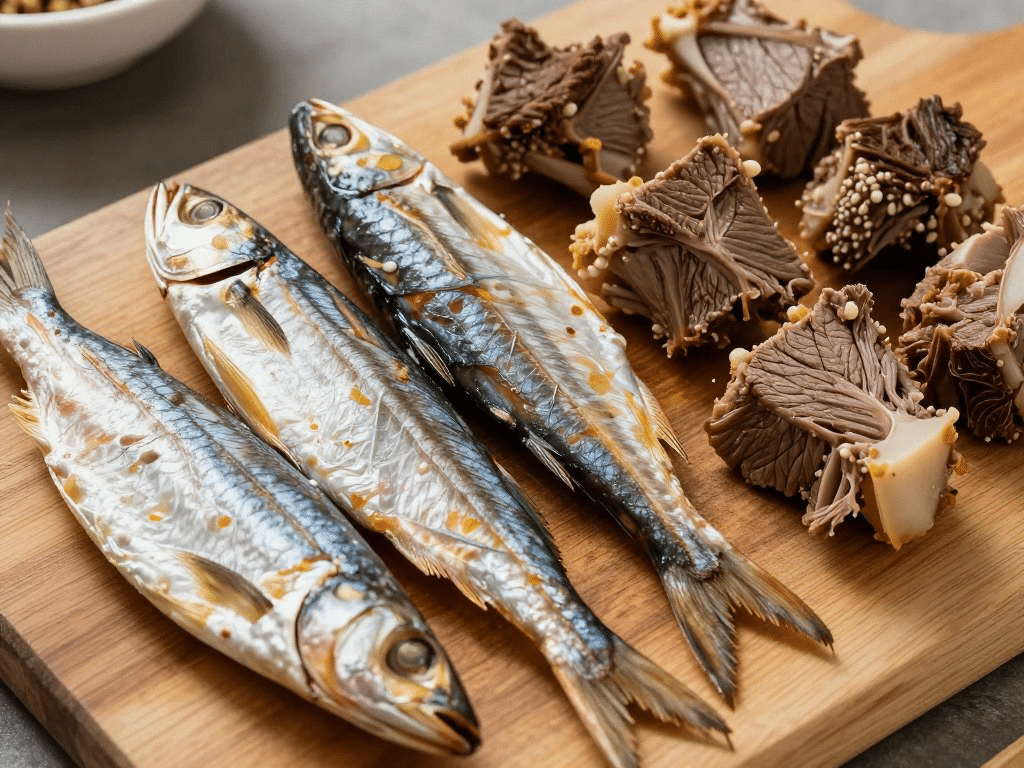
Stockfish (Dried Fish)
This preserved fish adds an intense, savory flavor to soups as it rehydrates during cooking. Its distinctive taste is essential in dishes like Banga Soup and Bitter Leaf Soup, where it complements the other ingredients perfectly.
Common Uses: Banga Soup, Afang Soup, Bitter Leaf Soup
Goat Meat
Prized for its rich, slightly gamey flavor, goat meat is a favorite protein in many African soups and stews. Whether slow-cooked in Pepper Soup or simmered in a pot of Banga, it brings a distinctive taste that beef can’t replicate.
Common Uses: Goat Meat Stew, Pepper Soup, Banga Soup
Beef
A versatile protein option used in countless African stews. When slow-cooked, beef becomes tender and absorbs the flavors of the surrounding ingredients. It’s particularly good in tomato-based stews and hearty soups.
Common Uses: Beef Stew, Egusi Soup, Tomato Stew
Vegetables and Leafy Greens for Authentic African Soups and Stews
Fresh vegetables and leafy greens add essential nutrients, color, and texture to African soups and stews. These ingredients balance the richness of meats and oils while contributing their own distinctive flavors.
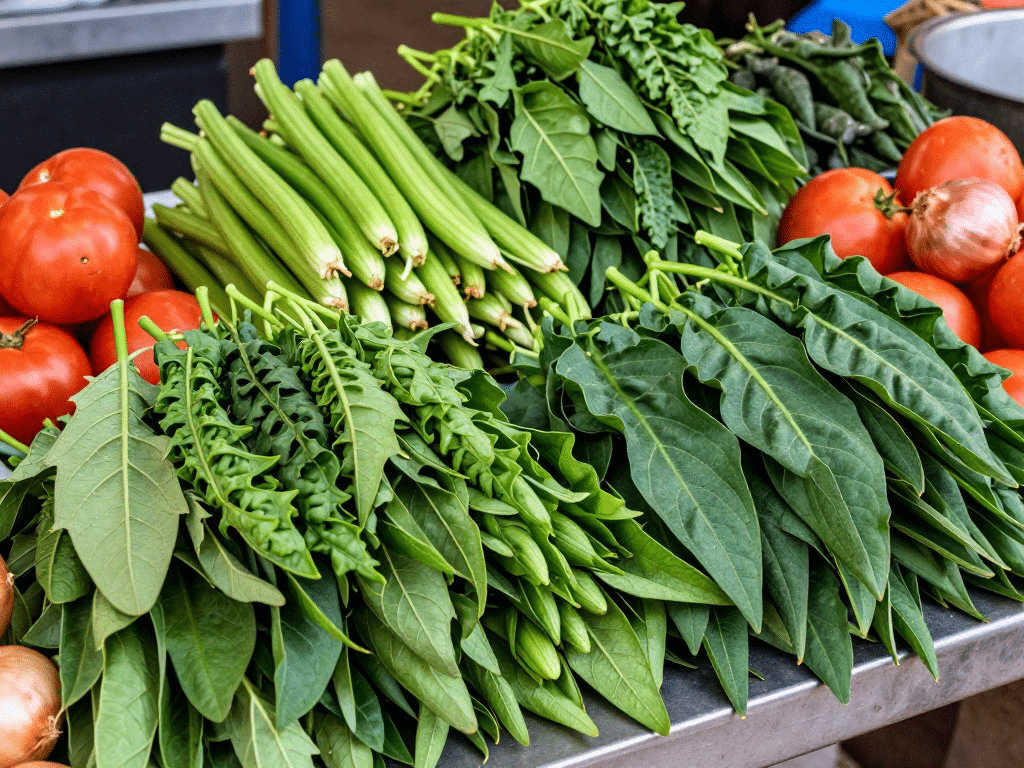
Ugu (Fluted Pumpkin Leaves)
These nutrient-dense greens are a staple in Nigerian soups like Egusi and Ogbono. They add a mild, pleasant flavor and vibrant color while providing essential vitamins and minerals. When chopped and added to soups, they wilt perfectly while maintaining some texture.
Common Uses: Egusi Soup, Ogbono Soup, Vegetable Stews
Bitter Leaf
As its name suggests, this leaf has a bitter taste that adds complexity to soups. Typically washed thoroughly to reduce bitterness, it balances rich ingredients like palm oil and meat in traditional soups. Its slight bitterness creates a perfectly balanced flavor profile.
Common Uses: Bitter Leaf Soup, Egusi Soup
Tomatoes and Onions
The foundation of many African stews, fresh tomatoes and onions create a flavorful base when sautéed together. Tomatoes add tanginess and natural sweetness, while onions contribute aromatic depth. For convenience, tomato paste is often used alongside fresh tomatoes for a more concentrated flavor.
Common Uses: Fish Stew, Chicken Stew, Jollof Rice
Specialty Ingredients for Authentic African Flavors
These unique ingredients might be less familiar to some, but they’re essential for creating truly authentic African soups and stews with their traditional depth of flavor.
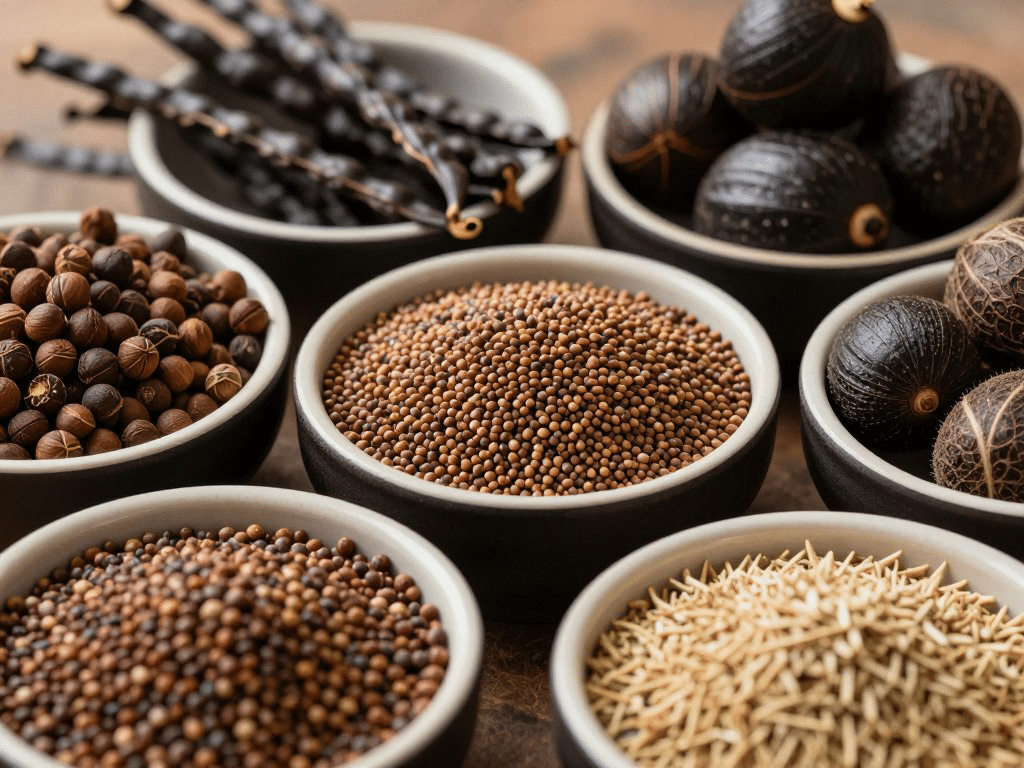
Locust Beans (Iru/Dawadawa)
These fermented beans add a deep, complex umami flavor to soups and stews. With their strong aroma and distinctive taste, just a small amount transforms ordinary dishes into authentic African cuisine. They’re particularly important in traditional Yoruba and Hausa cooking.
Common Uses: Egusi Soup, Ewedu Soup, Ogbono Soup
Uziza Seeds and Leaves
With their peppery, aromatic quality, uziza adds a distinctive flavor to soups. The seeds provide a spicy kick while the leaves contribute a milder flavor and pleasant aroma. They’re particularly popular in southeastern Nigerian cuisine.
Common Uses: Nsala Soup, Ofe Akwu, Vegetable Soups
Ehuru (Calabash Nutmeg)
This aromatic seed adds a warm, nutmeg-like flavor to soups and stews. Different from regular nutmeg, ehuru has its own distinctive taste that’s essential in many traditional recipes. It’s often ground and added in small amounts for its powerful flavor.
Common Uses: Pepper Soup, Ofe Nsala, Various Stews
Traditional Accompaniments for African Soups and Stews
No African soup or stew is complete without the perfect starchy side dish to accompany it. These traditional accompaniments are designed to be dipped into the flavorful broth and enjoyed together.
Fufu
This smooth, starchy side dish is made from cassava, plantains, or a combination of starches. With its slightly stretchy texture, fufu is perfect for dipping into flavorful soups. It’s typically rolled into small balls with the fingers and used to scoop up the soup.
Perfect Pairings: Egusi Soup, Light Soup, Groundnut Soup
Pounded Yam
Made from boiled yams that are pounded until smooth and stretchy, this accompaniment has a slightly sweet flavor that complements savory soups. It’s particularly popular in Nigerian cuisine and considered a delicacy for its smooth texture.
Perfect Pairings: Egusi Soup, Banga Soup, Vegetable Soups
Garri (Eba)
Made from cassava that has been grated, fermented, and roasted, garri is mixed with hot water to form a dough-like consistency. Its slightly sour taste balances rich, flavorful soups. It’s one of the most common accompaniments across West Africa.
Perfect Pairings: Okra Soup, Ogbono Soup, Efo Riro
Tips for Cooking Authentic African Soups and Stews
Creating truly authentic African soups and stews requires more than just the right ingredients. These cooking tips will help you achieve the perfect flavor, texture, and presentation every time.
Layer Your Flavors: Start by building a flavor base with onions and spices before adding other ingredients. This creates depth in your final dish.
Don’t Rush the Process: Many African soups and stews benefit from slow cooking. Allow meats to become tender and flavors to meld properly.
Balance is Key: African cuisine expertly balances spicy, savory, and sometimes bitter flavors. Taste as you go and adjust seasonings accordingly.
Respect the Palm Oil: When using palm oil, add it at the right stage of cooking. For some dishes, it’s added at the beginning; for others, it’s stirred in at the end for maximum flavor.
Texture Matters: Pay attention to the consistency of your soup or stew. Some should be thick and hearty, while others should have a more broth-like consistency.
Fresh Ingredients Make a Difference: Whenever possible, use fresh vegetables, meats, and spices for the most authentic flavor.
Popular African Soups and Stews to Try
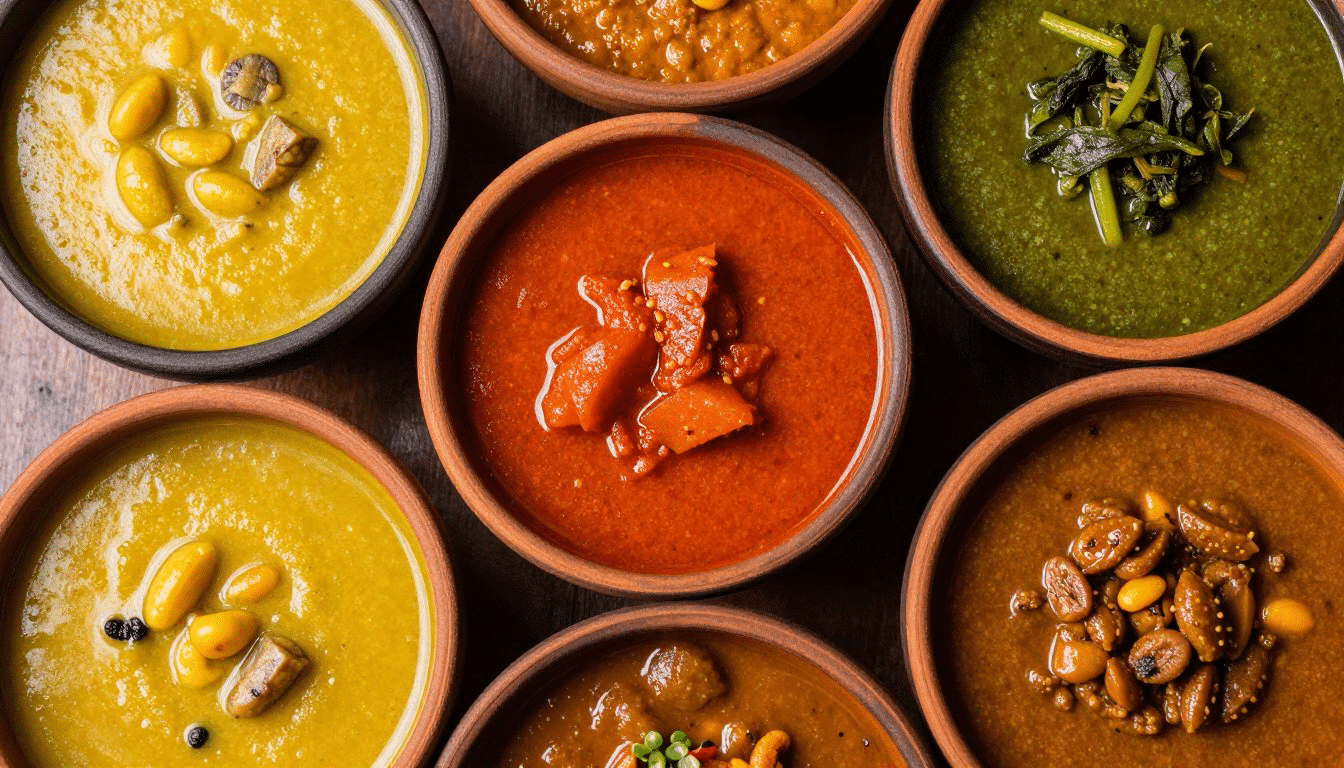
Now that you’re familiar with the essential ingredients, here are some beloved African soups and stews to create in your own kitchen. Each represents a different region and flavor profile of this diverse continent.
Egusi Soup
This Nigerian favorite features ground melon seeds that create a thick, creamy base. Typically made with palm oil, meat or fish, and leafy greens, it’s hearty and nutritious. The egusi seeds give it a unique nutty flavor that’s instantly recognizable.
Key Ingredients: Egusi seeds, palm oil, meat, leafy greens, ground crayfish
Groundnut Stew
Popular across West Africa, this peanut-based stew combines the richness of groundnuts with tomatoes, onions, and your choice of meat. The result is a creamy, slightly sweet stew with complex flavors that improve over time.
Key Ingredients: Groundnuts/peanuts, tomatoes, onions, meat, spices
Banga Soup
This palm fruit soup from the Niger Delta region has a distinctive tangy flavor. Made from the extract of palm fruit, it’s typically prepared with fish or meat and various spices for a rich, flavorful experience.
Key Ingredients: Palm fruit extract, stockfish, meat, spices, leafy greens
Bring Authentic African Flavors to Your Kitchen

The journey to creating authentic African soups and stews begins with the right ingredients. Each component plays a crucial role in developing the complex flavors that make these dishes so beloved. At Abart Foods, we’re committed to providing you with the highest quality African market ingredients, whether you visit our store in Maryland or shop online for nationwide delivery.
Ready to Create Authentic African Soups and Stews?
Explore our complete selection of premium African ingredients, delivered nationwide or available at our Maryland location.
Have questions? Call us at +1 (301) 728 0693
+1 (240) 650 1762
+1 (301) 500 3173

James farm frozen mixed vegetables 40oz
The mix typically includes a combination of various vegetables such as carrots, peas, green beans, and corn. Frozen mixed vegetables are convenient for a variety of dishes, including stir-fries, casseroles, soups, and side dishes.
7 in stock