

Living outside Nigeria does not mean compromising on flavor. Many people struggle to recreate the deep, traditional taste of soups like egusi, ogbono, or vegetable soup because of ingredient substitutions or storage differences.
Here is how to cook authentic Nigerian soups abroad without losing their original taste.
Why Nigerian Soups Taste Different Abroad
Common reasons include:
- Using low-quality substitutes
- Missing key local ingredients
- Incorrect cooking methods
- Poor storage of dried items
The solution is not guesswork. It is understanding the essentials.
Read Also: Best African Grocery Stores in Beltsville MD
1. Use the Right Palm Oil
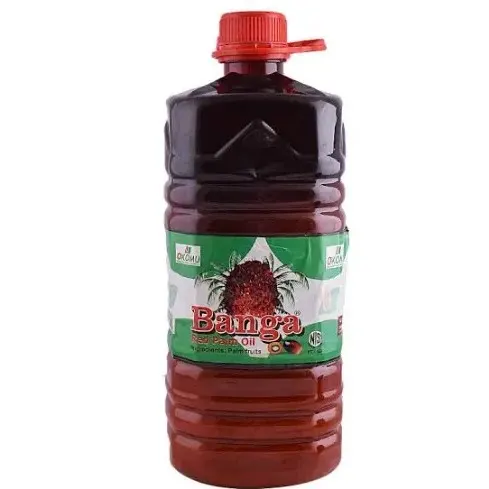
Banga red palm oil 4lts
Banga red palm oil is a specialty palm oil extracted from the fresh palm kernel. It’s a popular ingredient in West African cuisine, particularly in Nigeria, where it’s used to make the delicious Banga soup.
Out of stock
Email when stock available
Palm oil gives Nigerian soups their signature color and depth. Look for:
- Bright red color
- Thick consistency
- No sour smell
Avoid diluted or overly pale options. Quality palm oil alone can transform your soup.
2. Don’t Skip Traditional Proteins
Stockfish, dried fish, and crayfish are not optional in many Nigerian soups.
They add:
- Depth
- Umami flavor
- Authentic aroma
If unavailable locally, order from trusted African grocery stores that source properly processed dried seafood.
3. Blend Fresh Ingredients Properly
For soups like egusi and vegetable soup:
- Use fresh peppers and onions
- Blend tomatoes smoothly
- Avoid watery mixtures
Texture affects flavor concentration.
4. Toast Egusi Before Cooking

Choice whole egusi 226g
Whole egusi, also known as melon seeds, is a popular ingredient in West African cuisine, particularly in Nigeria. It’s derived from the seeds of melon plants and is known for its rich, nutty flavor and high protein content.
Out of stock
Email when stock available
Lightly frying or toasting ground egusi before adding liquid enhances:
- Nutty flavor
- Thickness
- Authentic consistency
Skipping this step results in a flat-tasting soup.
5. Use Real Seasoning Foundations
Instead of generic seasonings, use:
- Ground crayfish
- Dried herbs
- Proper seasoning cubes
- Local spices
Layer your seasoning gradually instead of dumping everything at once.
6. Allow Proper Simmer Time
Nigerian soups develop flavor over time. Rushing the cooking process reduces depth.
Let your soup simmer long enough for:
- Oils to rise
- Proteins to soften
- Flavors to blend fully
7. Source Ingredients from Reliable Stores
Authenticity begins with quality ingredients. When buying African groceries online:
- Check packaging
- Verify authenticity
- Avoid expired products
- Read customer reviews
Abart Foods provides carefully sourced Nigerian ingredients delivered across the United States, helping families maintain traditional cooking standards.
Final Thoughts
Authentic Nigerian soups depend more on ingredient quality and cooking technique than location. With the right products and proper preparation, you can recreate the taste of home anywhere.
FAQ
Low-quality palm oil or missing crayfish and stockfish often reduce depth of flavor.
Olive oil changes the flavor profile significantly and does not provide authentic taste.
Keep in airtight containers in a cool, dry place to prevent moisture absorption.