
Buying African groceries in larger quantities can save time and make cooking much easier, especially when you regularly prepare dishes such as egusi soup, jollof rice, okra soup, pepper soup, and efo riro.
The problem is that not every ingredient should be stored the same way.
Garri, egusi, crayfish, palm oil, yam, plantain, leafy vegetables, and frozen meats all have different storage requirements. Keeping them in the wrong conditions can lead to moisture, insects, mold, freezer burn, loss of flavor, or unnecessary food waste.
If you shop for African groceries in bulk, learning how to store each ingredient properly can help your food last longer and preserve the taste you expect.
Why Proper Storage Matters
African cooking uses many dried, fresh, frozen, and preserved ingredients.
Some products are naturally shelf-stable, while others deteriorate quickly once exposed to heat, moisture, or air.
For example, garri can absorb moisture and lose its characteristic texture. Ground egusi can become rancid if exposed to heat for too long. Fresh yam can spoil when stored in damp conditions, while leafy vegetables can wilt quickly if they are not refrigerated correctly.
Proper storage helps you:
- Reduce food waste
- Protect food from insects
- Preserve flavor
- Maintain texture
- Extend shelf life
- Save money when buying in bulk
- Keep ingredients ready for cooking
How to Store Garri

Abart ijebu garri 10lb
Ijebu Garri is a type of fermented and roasted cassava flakes popular in Nigeria, particularly among the Yoruba people from the Ijebu region in Ogun State. It is well-known for its distinct sour taste and crunchy texture.
192 in stock
Garri is one of the easiest African foods to store, but moisture is its biggest enemy.
Whether you buy white garri, yellow garri, or Ijebu garri, keep it in a clean, dry, airtight container.
Best way to store garri
- Transfer opened garri into an airtight container.
- Keep the container in a cool, dry location.
- Keep it away from steam and direct sunlight.
- Always use a dry spoon.
- Close the container immediately after use.
Do not store garri beside the stove or in a place where cooking steam regularly reaches it.
If you live somewhere warm or humid, storing smaller portions in sealed bags or containers can make it easier to protect the product from moisture and insects.
Garri should smell fresh and have its normal dry texture. If it develops an unusual smell, visible mold,d or signs of moisture contamination, discard it.
How to Store Egusi

Egusi seeds contain natural oils, which means they require more care than dry grains.
Whole egusi seeds generally keep better than already-ground egusi because grinding increases the surface area exposed to air.
For whole egusi seeds
Store them in:
- An airtight container
- A cool cupboard
- A dark location away from sunlight
For longer storage, especially if you buy egusi in bulk, refrigeration or freezing can help preserve quality.
For ground egusi
Ground egusi should be stored in an airtight container.
If you do not use it frequently, refrigeration or freezing is a better option than leaving a large quantity at room temperature for an extended period.
Always check the smell before cooking. A stale or rancid smell indicates that the oil in the seeds has deteriorated.
How to Store African Spices
Spices such as:
- Pepper soup spice
- Suya spice
- Uziza
- Ehuru
- Alligator pepper
- Curry powder
- Thyme
- Ground pepper
- Crayfish powder
should be protected from heat, light, and moisture.
Keep spices in tightly sealed containers and store them away from the stove.
Do not keep spice jars directly above a cooking area where steam can enter the container.
Whole spices generally retain their aroma longer than ground spices.
For example, whole ehuru or alligator pepper can maintain its flavor longer than a finely ground spice that has been exposed to air.
Abart Foods already carries a range of Nigerian spices and seasoning products, including ingredients used in pepper soup, egusi, and other traditional dishes.
How to Store Crayfish and Dried Fish

Majestic crayfish 5oz
Flavorful crayfish seasoning that adds rich seafood taste to soups, stews, sauces, and traditional meals.
11 in stock
Dried crayfish and dried fish are commonly used to add depth to Nigerian soups and stews.
Their low moisture content gives them a longer shelf life, but they can still absorb moisture and develop unpleasant odors.
Store them in an airtight container.
For longer storage:
- Keep small amounts in the refrigerator.
- Freeze larger quantities.
- Divide bulk purchases into smaller portions.
- Avoid repeatedly opening the entire supply.
If you grind crayfish, store the ground product in smaller airtight containers and refrigerate or freeze what you will not use soon.
How to Store Palm Oil

Banga red palm oil 2lts
Banga red palm oil is a specialty palm oil extracted from the fresh palm kernel. It’s a popular ingredient in West African cuisine, particularly in Nigeria, where it’s used to make the delicious Banga soup.
12 in stock
Palm oil should be kept away from excessive heat and direct sunlight.
An unopened bottle can generally be stored in a cool, dark place according to the manufacturer’s instructions.
Once opened:
- Close the bottle tightly.
- Keep it away from direct sunlight.
- Use clean utensils when transferring or measuring it.
- Follow the storage instructions on the product label.
Palm oil may become cloudy or solidify at cooler temperatures. This does not automatically mean that it has spoiled.
Avoid repeatedly introducing water or food particles into the container because contamination can shorten its usable life.
How to Store Fresh Yam
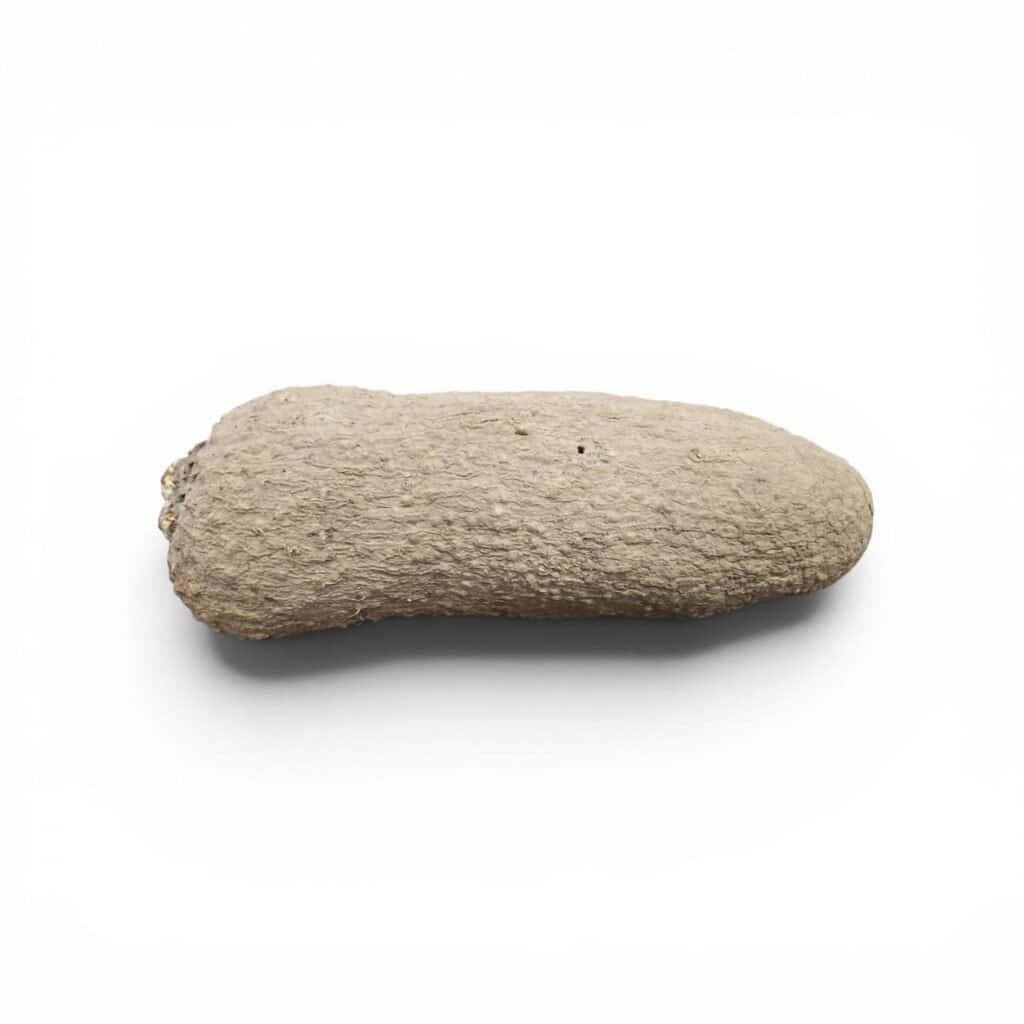
ghana yam
Ghana yam is known for its distinct flavor and texture, and it is used in various traditional dishes such as yam porridge, yam fries, and yam-based soups and stews. With its versatility and nutritional value, Ghana yam is a popular ingredient in Ghanaian cooking and is enjoyed by people of all ages.
Fresh yam requires a different approach from dried yam flour or pounded yam flour.
Keep whole yams in a dry, well-ventilated location away from excessive moisture and direct sunlight.
Do not seal whole yams inside airtight plastic bags.
Inspect them regularly and separate damaged pieces from healthy ones.
If one section begins to rot, the problem can spread to nearby produce.
Fresh yam storage is an important topic for African grocery shoppers because yams are often purchased in larger quantities. Competitor African grocery sites are already targeting searches such as “how long does fresh yam last” and “how to store fresh yam at home.”
How to Store Plantains

Green Plantain
Fresh green plantains perfect for frying, boiling, or making traditional African and Caribbean dishes.
Plantains continue to ripen after purchase.
If you want green plantains to remain firm for cooking, keep them at room temperature away from excessive heat.
As they ripen, the skin changes from green to yellow and eventually develops dark spots.
Do not judge the condition of a plantain entirely by its skin color. The intended recipe matters.
Green plantains work well for:
- Fried green plantain
- Boiled plantain
- Plantain chips
- Plantain porridge
Ripe plantains are better suited to:
- Fried ripe plantain
- Plantain pancakes
- Plantain porridge
- Baked plantain
How to Store African Leafy Vegetables
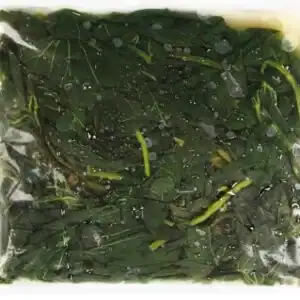
Amtaishpat bitter leaves 454g (Nigeria style)
Enjoy Amtaishpat Bitter Leaves, rich in nutrients and traditional Nigerian flavor—perfect for soups, stews, and healthy, authentic African meals!
Out of stock
Email when stock available
Vegetables such as:
- Ugu
- Bitterleaf
- Ewedu
- Uziza leaves
- Scent leaf
- Waterleaf
can deteriorate quickly when fresh.
Remove damaged leaves first.
Do not leave wet vegetables sitting in a sealed container without ventilation because excess moisture encourages spoilage.
For short-term storage, refrigerate vegetables appropriately after cleaning and drying them.
For longer storage, some leafy vegetables can be blanched and frozen.
Freezing is particularly useful if you purchase seasonal African vegetables in larger quantities.
How to Store Frozen African Foods
Frozen meats, seafood, and vegetables should remain frozen until you are ready to use them.
Keep your freezer at an appropriate temperature and avoid repeatedly thawing and refreezing food.
When buying frozen groceries:
- Check that the packaging is intact.
- Keep frozen products cold during transportation.
- Put them into your freezer promptly.
- Organize products by type.
- Label packages with dates when necessary.
For large purchases, divide meat and seafood into meal-sized portions before freezing.
That way, you do not need to thaw an entire package when you only need enough meat for one meal.
How to Store African Flours
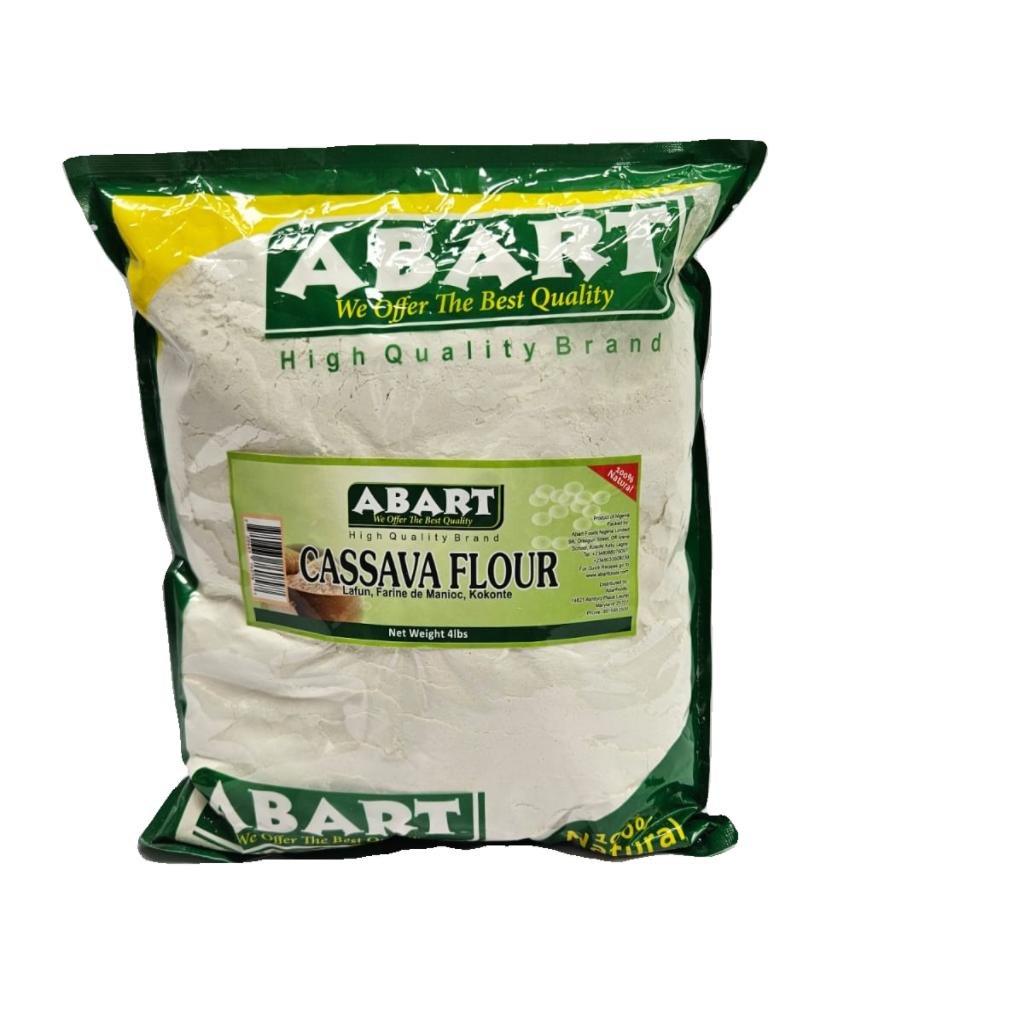
Abart cassava flour 4lb
Cassava flour is finely ground cassava root, a starchy tuber native to South America and Africa. It’s processed into a light and powdery form, offering a unique texture and flavor profile compared to wheat flour.
142 in stock
African flours such as:
- Yam flour
- Cassava flour
- Plantain flour
- Fufu flour
- Wheat-based flours
- Corn flour
should be kept dry.
After opening:
- Seal the package properly.
- Transfer to an airtight container if necessary.
- Keep away from heat and moisture.
- Check regularly for insects or unusual odors.
For large quantities, dividing the flour into smaller sealed containers can reduce repeated exposure to air.
Read Also: Where to Buy African Groceries Online in New York & New Jersey (Nationwide Shipping)
Quick African Food Storage Guide
| Ingredient | Best storage |
|---|---|
| Garri | Cool, dry, airtight container |
| Egusi seeds | Airtight container, refrigerate for longer storage |
| Ground egusi | Airtight container, refrigerate or freeze |
| Crayfish | Airtight container, refrigerate or freeze |
| Dried fish | Dr,y airtight storage; refrigerate for longer storage |
| Palm oil | Cool, dark location |
| Fresh yam | Dry, ventilated location |
| Plantain | Room temperature depending on ripeness |
| Leafy vegetables | Refrigerate or freeze |
| Yam flour | Cool, dry airtight container |
| Pepper soup spice | Airtight container away from heat |
| Suya spice | Airtight container away from heat |
Final Thoughts
Buying African groceries in larger quantities can be convenient and economical, but only if you store them correctly.
Dry foods need protection from moisture and insects. Oils need protection from heat and light. Fresh produce needs proper ventilation, while meat, seafood, and many vegetables require refrigeration or freezing.
When you know how to store your ingredients, you can shop with more confidence and spend less time replacing food that could have lasted much longer.
Shop African groceries, ingredients, spices, meat, seafood, and more at Abart Foods.