

Egusi soup is one of the most beloved and widely cooked dishes in West Africa. Rich, hearty, and deeply satisfying, it is the kind of meal that fills a room with aroma before it even reaches the table. For Nigerians, Ghanaians, and Cameroonians living in the USA, it is also one of those dishes that reconnects you to home in a way that almost nothing else can.
But egusi soup can be tricky. Done right, it is thick, flavorful, and deeply layered. Done wrong, it can come out watery, bland, or with egusi that tastes raw and gritty. The difference almost always comes down to technique and ingredient quality.
This complete guide covers everything you need to know: how to choose the right egusi, the two main methods of cooking it, which proteins and vegetables to use, and how to get that thick, authentic consistency every single time.
All the ingredients mentioned in this guide are available at Abartfoods, delivered to your door anywhere in the USA.
What Is Egusi Soup?

Egusi soup is a West African dish made primarily from ground melon seeds (egusi), palm oil, and a blend of proteins, vegetables, and seasonings. The melon seeds come from plants in the cucurbit family, related to squash and gourds, and are rich in protein, healthy fats, magnesium, and antioxidants. According to Wikipedia, egusi is one of the most popular soups across West and Central Africa, with countless regional variations.
The soup is almost always served with a swallow such as pounded yam, fufu, eba (garri), amala, or semo, though it also pairs well with white rice or plantain.
Despite being called a soup, egusi has the thick consistency of a stew. It should coat your swallow, not run off it.
Choosing the Right Egusi
There are two forms of egusi available:
Whole egusi seeds: These look like large, white pumpkin-like seeds. You grind them yourself in a blender or food processor, optionally with a small amount of water, onion, or crayfish. Grinding your own gives you control over texture and freshness.

Choice whole egusi 226g
Whole egusi, also known as melon seeds, is a popular ingredient in West African cuisine, particularly in Nigeria. It’s derived from the seeds of melon plants and is known for its rich, nutty flavor and high protein content.
Out of stock
Email when stock available
Pre-ground egusi: This is the most common form sold in African grocery stores. It is convenient and consistent. Good quality pre-ground egusi should look cream-colored to pale yellow and have a fresh, nutty smell.

Avoid egusi that smells sour, looks grey, or has visible moisture clumping. These are signs that the product has gone rancid or been improperly stored.
Read Also: How to Store African Food Ingredients Properly for Maximum Freshness
Two Methods for Cooking Egusi
There are two main methods for adding egusi to soup, and the method you choose changes the texture of the final result.
Method 1: The Frying Method (Molded Egusi)
In this method, ground egusi is mixed with a little water or blended with onion to form a thick paste. The paste is added to hot oil or the frying tomato base and allowed to cook without stirring for 20 to 30 minutes. During this time, the egusi forms compact, slightly chewy masses or chunks, similar to how scrambled eggs are set in a pan.
This is the most popular method in Yoruba and many Nigerian homes. The resulting egusi chunks have a satisfying texture and absorb the surrounding flavors beautifully.
Method 2: The Stirring Method (Smooth Egusi)
In this method, ground egusi is sprinkled or poured directly into the simmering soup and stirred continuously. The egusi disperses evenly through the liquid and thickens the soup uniformly, producing a smooth, thick consistency without distinct egusi chunks.
This method is more common in some Igbo and Cameroonian preparations. It produces a silkier soup that is especially well-suited for pairing with soft, smooth swallows.
Both methods are correct. Your preference depends on the texture you enjoy and the regional style you are cooking.
Full Ingredients List
This recipe serves 6 to 8 people.
For the base:
– 2 cups ground egusi (or whole egusi, ground)
– 1 cup red palm oil
– 4 to 5 medium tomatoes
– 2 red bell peppers (tatashe)
– 3 to 4 scotch bonnet or habanero peppers (adjust to your heat preference)
– 2 large onions (one for blending, one for frying)
– 2 cups meat or chicken stock
For protein:
– 500g assorted meats (beef, goat, or chicken), seasoned and pre-cooked
– 1 cup dried fish or stockfish, soaked and cleaned
– 2 tablespoons ground crayfish
For seasoning:
– 1 to 2 teaspoons [locust beans/iru]
– 1 to 2 seasoning cubes (Maggi or Knorr)
– Salt to taste
For vegetables:

Abart dried ugu leaves 1oz
Dried ugu is fluted pumpkin leaves that have been dehydrated. It is a common ingredient in Nigerian cuisine and is prized for its strong, slightly bitter flavor and its nutritional value.
247 in stock
– 2 cups of your choice: ugu (fluted pumpkin leaves), spinach, bitter leaf (pre-washed and squeezed), or uziza leaves
Step-by-Step Instructions
Step 1: Prepare Your Protein
Season your assorted meats with onion, seasoning cubes, salt, thyme, and a bay leaf. Boil until tender. Reserve the stock for use in the soup. If using stockfish, soak it in hot water for at least 1 hour until softened, then pull apart into pieces.
Step 2: Make the Pepper Blend
Blend tomatoes, tatashe, scotch bonnet, and one onion together until smooth. This is your tomato base. If you prefer a less watery base, reduce the number of fresh tomatoes and increase tatashe.
Step 3: Fry the Tomato Base
Heat your palm oil in a large pot over medium heat. Do not overheat or bleach the oil. Add the second diced onion and your locust beans. Let them sizzle for 1 to 2 minutes.
Pour in the blended tomato mixture. Fry, stirring regularly, for 20 to 30 minutes until the tomato base darkens, reduces in volume, and the oil floats to the surface. This frying step is critical. An undercooked tomato base will make your soup taste raw and sour.
Step 4: Add the Egusi
For the frying method: mix your ground egusi with 3 to 4 tablespoons of water and a small amount of blended onion to form a thick paste. Drop spoonfuls of the paste into the hot tomato base. Do not stir. Cover the pot and cook on medium-low heat for 20 to 25 minutes. The egusi will set into firm, golden-brown masses.
After 20 minutes, gently stir to incorporate the egusi chunks with the tomato base without breaking them up completely.
For the stirring method: sprinkle ground egusi directly into the simmering base and stir continuously. Add a cup of meat stock to prevent burning. Keep stirring for 10 to 15 minutes as the egusi absorbs liquid and thickens.
Step 5: Add Protein and Stock
Add your pre-cooked meats, pieces of stockfish, and dried fish to the pot. Pour in 1 to 2 cups of your reserved meat stock. Stir gently to combine everything without breaking up the egusi masses (if using the frying method). Add your ground crayfish, seasoning cubes, and salt. Taste and adjust.
Cover and simmer on medium-low heat for 15 minutes to allow all the flavors to come together.
Step 6: Add the Vegetables
Add your washed and chopped ugu, spinach, bitter leaf, or uziza leaves. Stir in gently. Cover and cook for a final 5 minutes only. Overcooking the leaves will destroy their color, texture, and nutritional value.
Taste once more and make any final seasoning adjustments before serving.
Common Egusi Mistakes and How to Fix Them
The soup tastes flat or lacks depth.
You likely undercooked the tomato base or skipped the locust beans and crayfish. Fry your tomato base longer next time. These fermented and dried seafood condiments are not optional for authentic flavor.
The egusi tastes raw or grainy.
This usually means you added egusi paste to a pot that was not hot enough, or you did not cook it long enough after adding it. The egusi needs at least 20 minutes of direct heat to cook fully.
The soup is too watery.
You added too much stock relative to the amount of egusi. Add more egusi paste and cook uncovered for a few minutes to reduce the liquid. Good egusi soup should be thick enough to sit on top of a ball of pounded yam.
The soup is too oily.
You used too much palm oil. The standard ratio is about half a cup per pot, though some recipes use more. If your soup already has too much oil, you can skim some off the surface with a spoon once the soup is done.
Nutritional Benefits of Egusi
Beyond its taste, egusi is genuinely nutritious. According to research, egusi seeds are high in plant-based protein, healthy monounsaturated and polyunsaturated fats, magnesium, zinc, and antioxidants. The seeds may also help fight inflammation and support heart health. Combined with leafy greens like ugu or bitter leaf and a lean protein source, egusi soup is a nutritionally dense, balanced meal.
What to Serve Egusi Soup With
Egusi soup is traditionally served with a swallow. Here are the most common options:
Pounded yam: The classic pairing and the most popular choice. Rich, smooth, and satisfying.
Eba (garri): Made from fermented, dried cassava granules. Quick to prepare and widely available.
Fufu: Fermented cassava-based swallow with a slightly sour flavor that pairs beautifully with the richness of egusi.
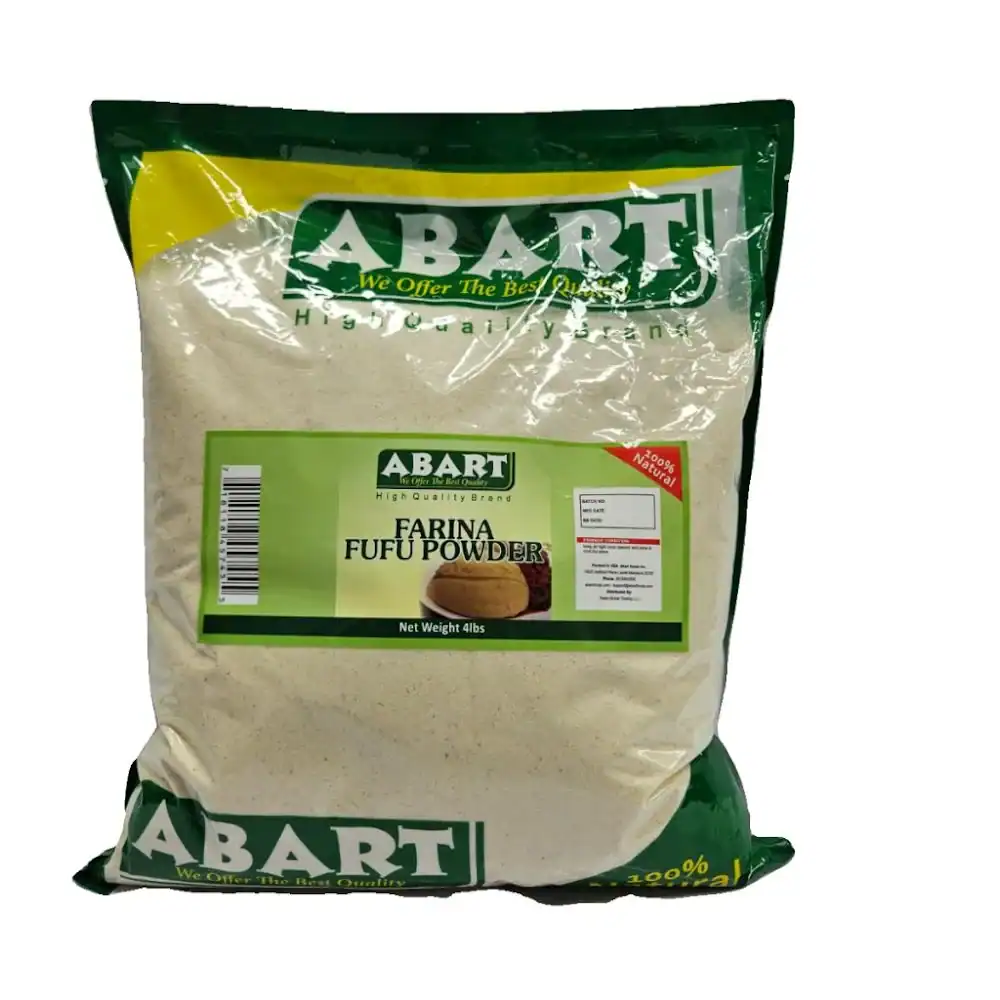
Abart farina fufu powder 4lb
Farina fufu powder is a popular ingredient in West African cuisine. It is a processed form of wheat flour, made by grinding wheat germ and endosperm into a fine consistency.
7 in stock
Amala: Made from dried yam flour with a dark color and smooth, elastic texture.
Semo (semovita): A lighter, whiter swallow made from semolina. Smooth and neutral in flavor.
Storing and Reheating Egusi Soup
Egusi soup stores very well. It actually tastes better the next day as the flavors continue to develop overnight.
Refrigerator: Store in an airtight container for up to 4 days.
Freezer: Egusi soup freezes well for up to 3 months. Freeze in meal-sized portions so you only thaw what you need.
Reheating: Reheat on the stovetop over medium-low heat with a splash of water. Stir gently. Microwave reheating works for small portions.
Read Also: African Food Substitutes: What to Use When You Can’t Find the Original Ingredient
Get Authentic Egusi Ingredients Delivered to Your Door
You cannot make great egusi soup with poor-quality ingredients. Abart Foods carries everything you need: whole and ground egusi, palm oil, crayfish, locust beans, stockfish, dried fish, uziza leaves, ugu leaves, assorted frozen meats, seasoning cubes, and all your swallow options.
With delivery available across the USA and same-day delivery in Maryland, DC, and Virginia, your next pot of egusi soup is closer than you think.