

Plantain and yam sit next to each other in almost every African grocery store, and to someone unfamiliar with either, they can look like the same thing. Both are starchy, both show up constantly in West African cooking, and both can be fried, boiled, or roasted. But they come from different plants, taste different, and behave differently in the kitchen.
This guide breaks down exactly how plantain and yam compare so you know which one to reach for depending on the dish, the diet, and the flavor you are after.
Read Also: Bringing African Street Food Home: Easy Recipes and Ingredients
What Is the Difference Between Plantain and Yam?
Plantain is a starchy relative of the banana. It grows on a tall, banana-like plant and has a thick green or yellow peel depending on ripeness. Yam is a root vegetable that grows underground, with a rough, bark-like brown skin and firm white or yellow flesh inside.
The simplest way to remember the difference: plantain grows above ground on a plant that looks like a banana tree, while yam grows below ground like a large, dense potato.
Taste and Texture Compared
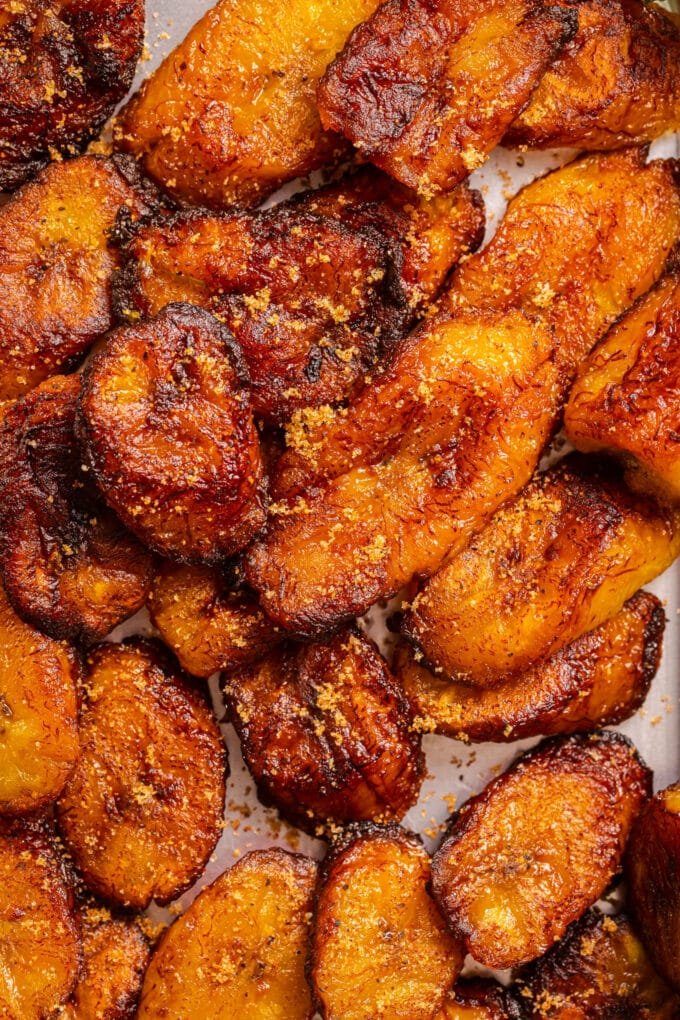
Plantain has a mild sweetness that increases the riper it gets. Green (unripe) plantain is firm and starchy with almost no sweetness, closer to a potato in flavor. Yellow and black (ripe) plantain becomes noticeably sweet and soft, which is why ripe plantain is often fried and eaten almost like a dessert or side dish.
Yam has a neutral, earthy flavor with very little natural sweetness at any stage. Its texture is dense and starchy, and it holds its shape well when boiled, which is why it is the base for dishes like pounded yam and yam porridge.
Nutrition Comparison
Both plantain and yam are energy-dense, carbohydrate-rich foods, but they differ in a few important ways.

Ripe Plantains
Our Fresh Plantains are a versatile and delicious staple in many cuisines, offering a unique blend of sweetness and starchiness depending on their ripeness. Whether you prefer them green for a savory, firm texture or ripe for a sweet, soft consistency, plantains are perfect for frying, boiling, baking, or grilling. Rich in vitamins, minerals, and fiber, they are a nutritious addition to your meals. Use green plantains for tostones, chips, or hearty stews, or enjoy ripe plantains caramelized, mashed, or in desserts. Fresh Plantains bring a taste of the tropics to your table, making them a must-have for creative and flavorful cooking.
Plantain (per 100g, cooked):
- Higher in natural sugars, especially when ripe
- Good source of vitamin A and vitamin C
- Contains potassium, which supports healthy blood pressure
- Slightly higher in fiber than yam in some preparations
Yam (per 100g, cooked):
- Lower in sugar than ripe plantain
- Higher in complex carbohydrates, which digest more slowly
- Good source of vitamin B6 and manganese
- Contains resistant starch, particularly when cooled after boiling, which can support gut health
For people watching blood sugar, unripe (green) plantain and boiled yam are both moderate glycemic options, while ripe, fried plantain is higher in sugar and should be eaten in smaller portions. Yam tends to have a slightly lower glycemic impact than ripe plantain, but the cooking method matters more than the ingredient itself. Frying either one raises the glycemic load compared to boiling or roasting.
How to Cook Plantain
Plantain is one of the most versatile starches in West African cooking because its flavor changes so much with ripeness.
- Boiled green plantain: firm, starchy, mild flavor, often served with stew or sauce
- Fried ripe plantain (dodo): soft, caramelized, sweet, a staple side dish
- Roasted plantain (boli): smoky and slightly sweet, popular as a street food with roasted peanuts or fish
- Plantain porridge (asaro-style): unripe plantain cooked down with palm oil, pepper, and vegetables into a soft, stew-like dish
How to Cook Yam
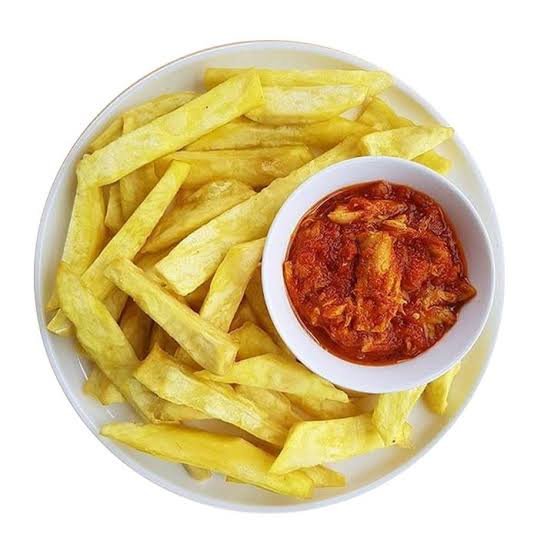
Yam is generally treated more like a blank canvas that takes on the flavor of whatever it is cooked with.
- Boiled yam: simple, firm, usually served with a sauce, egg, or vegetable stew
- Pounded yam: boiled yam mashed into a smooth, stretchy dough, eaten with soups like egusi or ogbono
- Yam porridge (asaro): yam simmered with palm oil, pepper, and vegetables until soft and slightly thick
- Fried yam: boiled or par-cooked yam cut into chips and fried until crisp on the outside
Read Also: Top 5 Yam Recipes to Try in 2025
Which One Should You Choose?
If you want something naturally sweet or are cooking a lighter side dish, ripe plantain is the better choice. If you want a neutral, filling base that pairs with a strongly flavored soup or stew, yam is usually the better fit.
For those managing sugar intake, unripe plantain and boiled yam are the more suitable options over ripe, fried plantain. For a dessert-like side dish, ripe fried plantain is hard to beat.
Frequently Asked Questions
Neither is objectively healthier. Plantain offers more vitamin A and vitamin C, especially when ripe, while yam offers more resistant starch and B vitamins. The healthier choice depends on your goals and how each is prepared, since frying adds calories and fat regardless of which one you use.
Both can be eaten in moderation as part of a balanced diet. Boiled yam and unripe, boiled plantain have a more moderate effect on blood sugar than ripe, fried plantain. Portion size and cooking method matter more than the specific food.
Yam is technically a root vegetable, but nutritionally it behaves like a starchy carbohydrate, similar to potato.
As plantain ripens, its starches convert to natural sugars, which is why green plantain is starchy and mild while yellow or black plantain becomes sweet and soft.
You can order fresh plantain, yam, and other West African staples online through Abart Foods, with delivery available in Maryland, DC, and Virginia. Whether you are making dodo, pounded yam, or a pot of asaro, shop fresh plantain and yam at Abart Foods and get everything delivered straight to your door.